
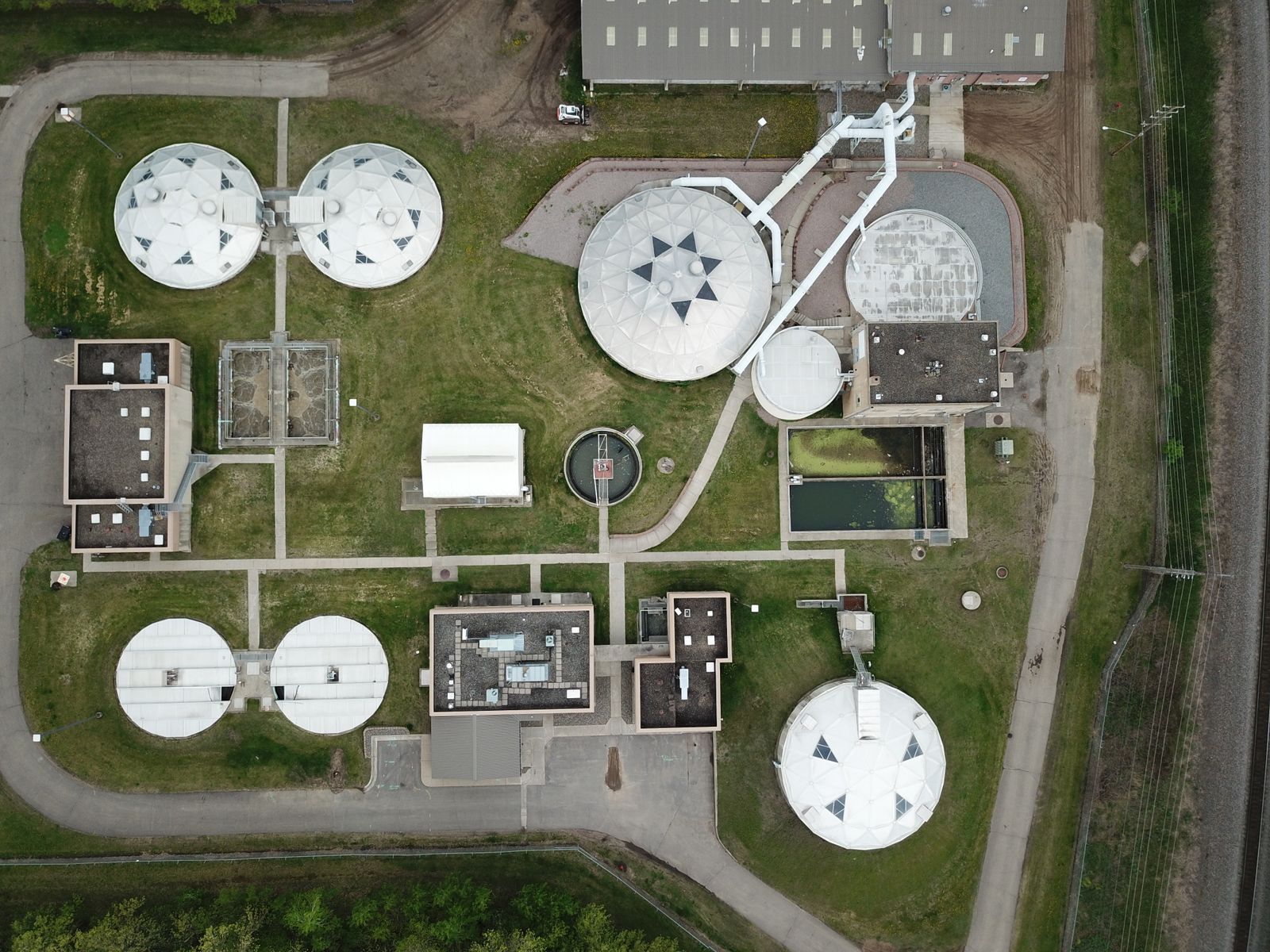
Select lime for wastewater neutralisation against the treatment duty and the equipment available. The purchase decision should cover useful neutralising capacity, reaction behaviour, preparation and handling, as well as the downstream process. Price per tonne is only one part of that comparison.
This guide helps procurement and process teams prepare a qualification brief. The treatment plant’s responsible engineer should define the operating conditions, trials and acceptance criteria for the actual wastewater.
Should you specify quicklime or hydrated lime?
Quicklime and hydrated lime are different products. Quicklime is predominantly calcium oxide and requires slaking when used to prepare a lime slurry; hydrated lime is predominantly calcium hydroxide. The National Lime Association’s acid-neutralisation guide explains that selection involves preparation equipment, consumption and practical operating economics.
Start by describing the existing installation. If the plant receives hydrated lime into a particular storage and dosing system, a quicklime quotation should not be treated as a direct substitute. It represents a different preparation route that must be assessed with the engineering team.
What should a lime qualification sheet contain?
| Area | Information to request | Reason for checking |
|---|---|---|
| Product identity | Quicklime or hydrated lime; grade and physical form. | Confirm compatibility with the preparation system. |
| Useful alkalinity | Relevant available-lime or neutralising-capacity result, with the method. | Avoid comparing only a nominal chemical percentage. |
| Reaction behaviour | Applicable reactivity data and the test conditions. | Assess the candidate against the process residence time. |
| Particle size and residue | Distribution, residue or grit information using a defined procedure. | Check requirements of preparation, pumping and dosing equipment. |
| Handling and storage | SDS, packaging and storage recommendations. | Plan receiving, storage and transfer for the supplied material. |
| Delivery consistency | Agreed acceptance limits and lot documentation. | Set a repeatable incoming-quality check. |
Clarify what a supplier means by “active lime” or “purity.” Ask for the method and reporting basis, then have the process team decide which result belongs in the specification. A term used informally in a quotation is not a sufficient acceptance criterion.
Why is a wastewater sample or process brief important?
The National Lime Association identifies reaction and process factors that affect lime neutralisation. A supplier cannot establish a universal consumption figure from the product name alone. The proposed material must be evaluated against the wastewater and the site’s treatment objectives.
Give the process team a consistent comparison brief: the wastewater stream, its variability, required endpoint, existing treatment sequence and equipment constraints. Identify other acceptance requirements, such as the treatment of suspended solids or a downstream separation stage. The trial should answer the plant’s actual decision, not merely demonstrate that a sample changes pH.
Compare total treatment cost
Use the same operating assumptions for every candidate. A practical comparison can record delivered material cost, observed consumption under the agreed trial, preparation needs, handling requirements and resulting solids-management costs. Keep measured results separate from estimates so that procurement can see where uncertainty remains.
Include stockholding and delivery arrangements. Specify unloading access, package format, available storage and expected order size. Quicklime reacts with water, and lime products require appropriate handling and storage; the supplied SDS and the plant’s procedures should govern those arrangements.
How should the approval be recorded?
- Define the reference. Identify the current product and the plant’s relevant performance measures.
- Agree a controlled trial. Let the process team define sampling, test conditions and approval limits.
- Record the whole result. Include material consumption and any effect on preparation, dosing and downstream handling.
- Set delivery checks. Agree the specification, certificate format and response to an out-of-limit result.
What belongs in the enquiry?
Send the required lime form, treatment application, equipment constraints, current specification, estimated quantity, packaging and delivery location. Share trial requirements without assuming that a standard industrial grade has already been approved for your process.
Review hydrated lime, quicklime and the wastewater and waste-treatment application route. Request documentation through technical resources or send your specification to Carbocore.
Technical references
- National Lime Association — Acid Neutralisation with Lime (PDF)
- National Lime Association — Properties of Typical Commercial Lime Products (PDF)
These references describe general material behaviour. Specifications and acceptance criteria must relate to the proposed grade and its intended use.